
| Situation | Typical trail problem | Exercise or habit | Planning use |
|---|---|---|---|
| Steep descents | Knee pain; the knee and ankle are the most common overuse injury sites | Dynamic flexibility, neuromotor strength and balance work; real-time adjustment of cadence, step length and knee flexion | Build into weekly training before a race with big descents |
| Outer knee ache | IT band syndrome, the most common cause of lateral knee pain in runners | Foam rolling the TFL; strengthening hip abductors, glutes and quadriceps | Start at the first sign of tightness, not after it stops a run |
| Stiff or unstable hips on rough ground | Inadequate neuromotor control, balance and coordination | Hip mobility and glute work inside a prehabilitation routine | Make it a regular part of the week, not a warm-up afterthought |
| Pain that will not settle | Symptoms that persist despite conservative care | Consultation with a physical therapist or chiropractor | Book an assessment rather than waiting for it to resolve |
The guidance in this table draws on a peer-reviewed review of trail running injuries and Pursuit Physiotherapy’s IT band guide.
Trail running injury prevention comes down to protecting the knees, ankles and hips with regular mobility and strength work, and changing training early when pain appears. The knee and ankle are the most common overuse injury sites.
The wider weekly structure sits in the trail running training hub. This page sorts the common problems by situation, so you can find the exercise that matches what your legs are telling you.
Descents and knee pain
Downhill running and the knee
Knee pain is the complaint that most often shows up when trail miles pile up. In the 219-km, 5-day Al Andalus Ultra Trail, knee pain was the most common complaint. The same review puts the lower leg, from the knee through the foot, as the most common injury region regardless of location.
The review names inadequate neuromotor control, balance and coordination as key mechanisms behind injury and its progression. It also describes trail terrain as fallen trees, branches, roots and rocks, so every stride on a descent asks the leg to adapt to uneven footing. For downhill running, that points to control and coordination on rough ground as the quality to train, not only raw leg strength.

Preparing for steep descents
The review recommends complete kinetic chain prehabilitation programmes made up of dynamic flexibility, neuromotor strength and balance, and plyometrics. It also notes that adjusting cadence, step length and knee flexion in real time on the trail may reduce impact-related injury risk. Practise those adjustments on moderate descents first, so they feel automatic when the slope gets serious.
Runners aiming at a hilly event can fit this work around the long runs described in how to train for a hilly trail race. Treat the prehabilitation work as a weekly habit rather than something saved for race week.
Outer knee pain and the IT band
What IT band pain looks like on trails
IT band syndrome is the second most common running injury and the most common reason for lateral knee pain in runners. Lateral means the outside of the knee, so an ache there that builds on long descents is worth taking seriously early. Trail runners are not exempt, because the same repetitive loading applies on rolling terrain.
Foam roller work
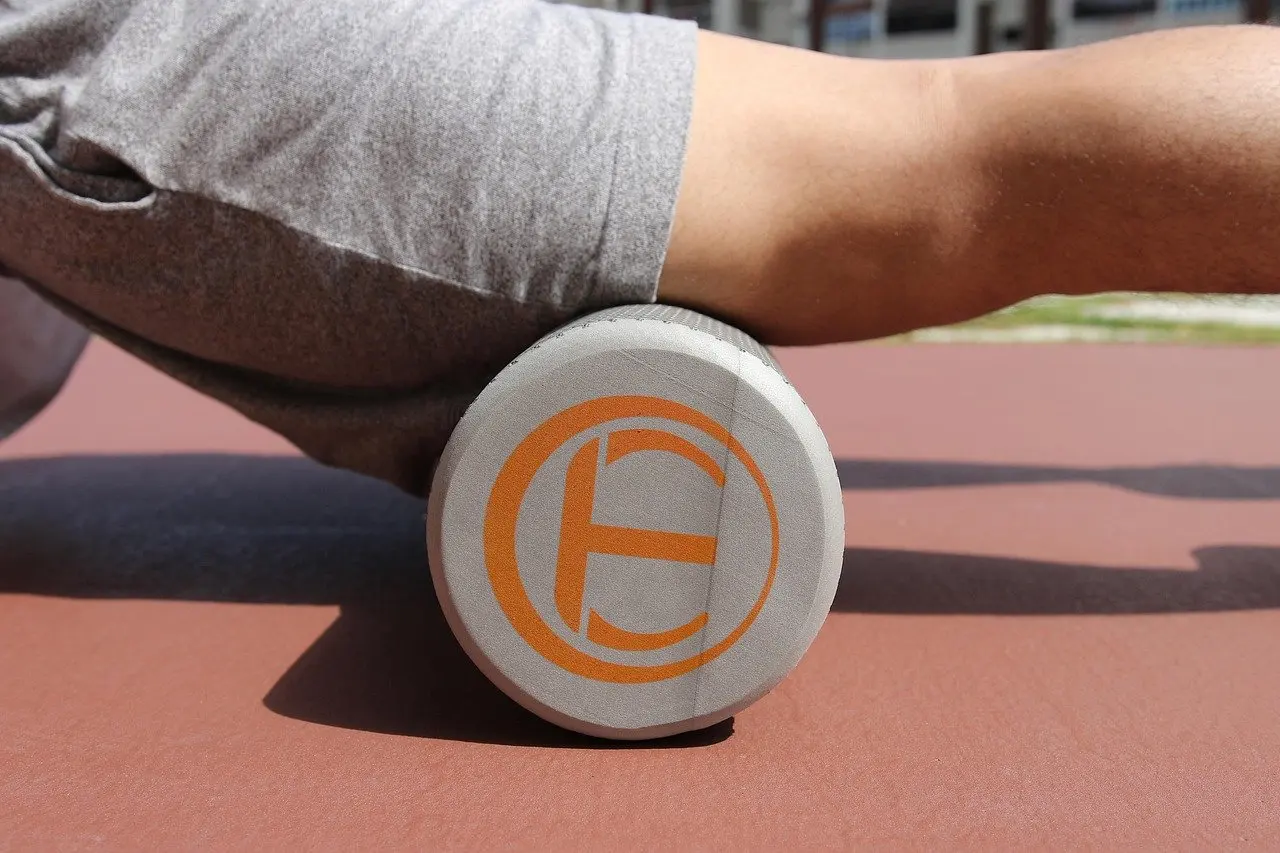
A foam roller is the simplest self-care tool for this problem. Pursuit Physiotherapy states that foam rolling the TFL, a hip muscle that feeds into the IT band, can help release tightness in the band. Roll the outer hip and thigh area slowly after runs or on rest days. Rolling suits runners with tightness, but it works best alongside strength work rather than instead of it.
Glute bridge and hip strength
For prevention, the same physiotherapy guide advises strength training that targets the hip abductors, glutes and quadriceps. The glute bridge is a simple, low-equipment way to load the glutes at home on a mat. Add side-lying or standing hip abduction work to cover the abductors.
The guide also suggests a professional assessment of running technique to identify and correct contributing issues. This suits runners whose outer knee pain keeps returning even though they roll and strengthen regularly.
Stiff hips and ankles on rugged ground
Hip mobility
Physiotherapy provider Athletico notes that ankles and hips are extremely mobile and need enough stability to cope with running. On technical trails, that stability is tested whenever a foot lands off-centre. Hip mobility work keeps the joint moving freely, and the dynamic flexibility component of the review’s prehabilitation programme covers the same ground.
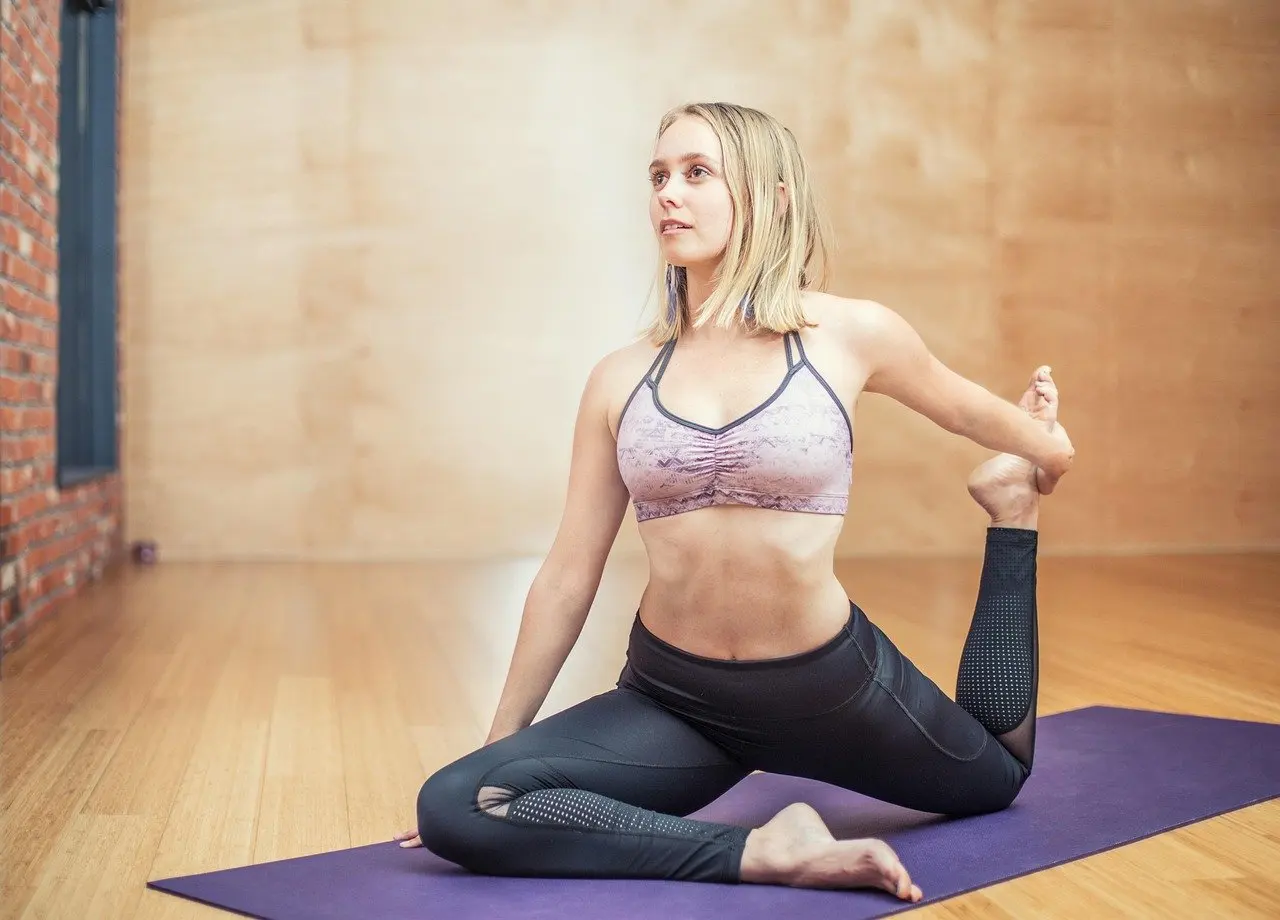
Open-hip positions on a mat, leg swings and controlled lunges all fit here. Choose whichever movements you can perform without pain, and do them consistently rather than aggressively.
Calf stretch and heel raises
The calf and ankle take the first hit when a foot lands on a root or loose rock. A calf stretch against a wall is a low-effort mobility movement to keep in the routine. Pair it with strength work, because Athletico’s stability programme includes the single-leg heel raise at 3 sets of 10 repetitions on both sides.
Core stability
Athletico also lists the standard plank for core stability, held for 1 minute and repeated up to 3 times. It suits runners whose hips drop or twist when tired. Treat that hold time as a target to build toward, not a starting point, and stop if form breaks down.

When pain does not settle
Adjusting training early
The trail running review states that education about early musculoskeletal pain symptoms and training adjustment can help prevent injury. In practice, that means reducing the trigger, such as long descents, when a niggle appears, rather than pushing through. A structured build such as a trail marathon training plan gives you a framework for easing back without losing the whole block.
When to see a professional
Pursuit Physiotherapy advises that if symptoms persist despite conservative measures, consulting a chiropractor or physical therapist is advisable. Rest, rolling, strength work and reduced load are the conservative measures. If pain persists after those, book an assessment rather than waiting. This article is general information and does not replace an examination or diagnosis.
Choosing where to start
- Knee pain on long descents: start with balance and coordination work and practise cadence and knee bend on gentle slopes.
- Outer knee tightness: add rolling for the TFL, then glute bridges and abduction work to address the cause.
- Rolled ankles or tired hips on rough ground: combine hip mobility, a calf stretch and heel raises.
- Pain that lingers after rest and lighter training: see a physical therapist or chiropractor.
Frequently asked questions
| Question | Answer |
|---|---|
| Are most trail running injuries caused by falls? | No. The trail running injury review reports that more than 70% are due to overuse, though ankle sprains are the most common acute injury. |
| How common is IT band syndrome among trail racers? | In respondents from four trail races, 22% had suffered ITB syndrome in the previous 12 months. |
| How often should stability exercises be done? | Athletico advises performing its stability exercises 3-4 times a week. |
| Does a professionally designed training schedule help? | In a group of 40 ultramarathon runners, an individualised professional schedule was associated with less injury than an empirical schedule. |