
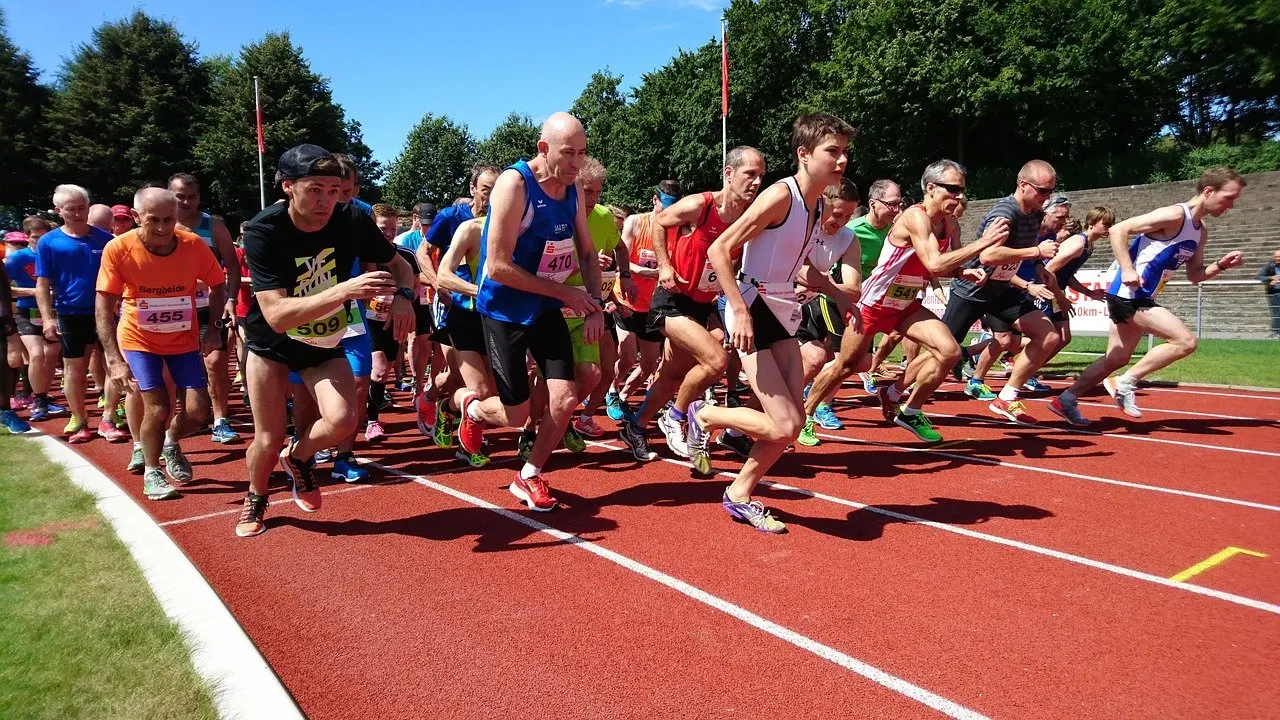
Picture a small volunteer team with one printed page and a race to deliver. This trail race organizer checklist orders every task from months before the start to the final sweep, so each person can tick off their part.
Each section points to the guide that handles the detail. Wider planning sits in how to organize a trail race, and related event guides are collected under outdoor running events. This page keeps to sequence and ownership: what gets ticked, when, and by whom.
Timing anchors to plan around
The timings that shape an organiser’s plan are the ones runners already follow. The table turns each runner-side habit into a planning prompt for the volunteer team.
| Timing anchor | Value | Planning use |
|---|---|---|
| Runner registration | 3-9 months before the race | Have entries open early enough to catch runners who plan ahead. |
| Training start, longer races | 16-24 weeks ahead | Publish date, distance and terrain before this window opens where possible. |
| Training start, shorter races | 6-12 weeks ahead | Shorter events can announce later, but details still need to be firm. |
| Race-morning trial run | 2 weeks before the race | Schedule a team walk-through of the morning timeline. |
| Gear packing | 2 days before the race | Treat this as the deadline for a finished equipment list. |
| Runner wake-up | At least 2 hours before the start for shorter distances; 3 hours for a marathon | Race-morning information must already be published and clear by then. |
| Runner arrival at local races | 45 to 60 minutes before the start | Bib desk, parking and course must be ready before this point. |
| Traffic buffer | 30 minutes | Build the same cushion into the team’s own arrival time. |
The figures come from Team RunRun’s race preparation guide and Motera’s race day checklist, both written for runners rather than organisers.
Read them as the moments when runners act, then work backwards so the team is always ahead of them.
Months before: permissions, course and entries
Permissions and cover
Tick permissions and insurance first, before a date goes public. Landowner and authority conditions can change the route, the number of starters or the day itself, so everything downstream depends on them. The detail lives in permits needed for a trail running race; this checklist only marks the point in the sequence where the paperwork must be in hand and printed for race day.
Course and planning documents
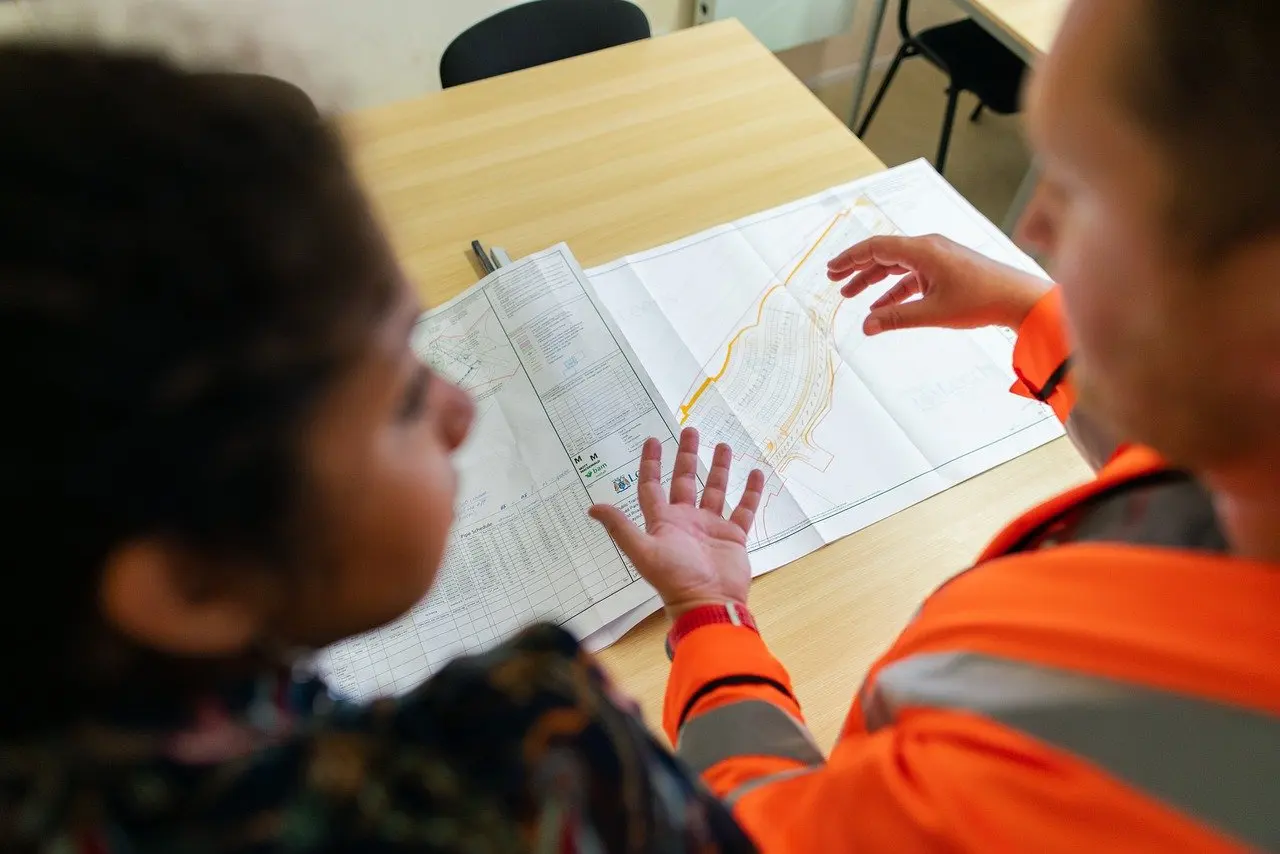
Produce a printed course map with every aid point marked in pen or print, then copy it for each team lead. A paper map works when radios fail and when a volunteer needs to point at a junction. Add the distance, the aid point locations and the nearest vehicle access to the same sheet.

Opening entries
Runners are advised to register 3-9 months ahead, according to Team RunRun, so an organiser who opens entries late misses the people who plan early. The same guide puts the start of training at 16-24 weeks ahead for longer races and 6-12 weeks for shorter ones. Publish the date, distance and terrain early enough to fit those windows, and be accurate about the surface: the guide says runners preparing for a trail race should train on trails.
Weeks before: team, briefing and rehearsal
Give every volunteer one named job: start, each aid point, course marshals, sweep and finish. Small teams fail when two people assume the other has the radios, so write the name next to the task on the master sheet.
- Rehearse the morning. Team RunRun suggests runners do a trial run of race morning two weeks before the race. The same idea suits a volunteer team: walk through arrival, set-up and the opening of the bib desk in order, and fix whatever stalls.
- Decide the runner kit rules. The guide lists a headlamp, reflective vest, handheld water bottles, and a vest with flasks or a bladder as suggested trail gear. Which items you make compulsory depends on the course and the start time, so state the decision in the race information rather than leaving it to guesswork.
- Brief with paper. Hand each lead the course map, the contact list and the timeline, and keep the briefing short enough that people remember it.
Race-day equipment for organisers
Finish the equipment list and pack two days before the race, as Team RunRun advises runners to do with their own gear. Packing early leaves time to replace what is missing. Group items by job so each team lead can check their own box.
Course marking and communication
- Course tape and markers for junctions and any turn a runner could miss.
- Radios with a charged battery and an agreed channel for every lead.
- Whistle and clipboard holding the printed checklist and the map.
Aid station supplies
An aid point needs a table, water jugs or containers, cups and some food such as fruit. Pack these as a complete kit per aid point, labelled with the location, so a volunteer can start setting up without hunting through a shared van.

Start and finish desk
Bring the bibs, a printed entry list, pens and a table for collection, plus high-visibility vests for the people staffing it. Keep the desk kit separate from the aid point boxes so it can be unloaded first.
The evening before: a go or no-go check
Run these five decisions in order. If any answer is no, fix it that evening rather than at the start line.
- Are written permissions and cover in the folder and printed?
- Is the course marked, and has someone checked it against the map?
- Does each volunteer know their role, their radio channel and their start time?
- Is every item on the equipment list loaded and labelled by job?
- Does the team have an arrival time that sits ahead of the first runners?
Race morning: the final hours
Runners are advised to wake at least 2 hours before the start for shorter distances, and 3 hours before a marathon, according to Motera’s race day checklist. The same source tells runners to arrive 45 to 60 minutes before the start at local races. For the organiser, that sets the deadline: parking directions, the bib desk and the course must be ready before the earliest arrivals.
Team RunRun suggests giving yourself a 30-minute buffer in case of traffic. Apply that to the team’s own journey and set the meeting time earlier than the set-up work strictly requires. A late van is far harder to recover from than an early one.
After the last finisher: the final sweep
Do not release volunteers until the course is clear and everyone is accounted for. Work through the sweep in this order:
- Collect markers and tape along the whole route so nothing is left on the land.
- Close each aid point and return the tables, containers and cups to the van.
- Count the team against the master sheet so no marshal is left out on the course.
- Annotate the checklist with what ran late or went missing, ready for the next edition.
Frequently asked questions
What is the minimum kit a runner needs?
Motera lists running shoes, comfortable clothes, a race bib, a watch and a phone as the simple basics. It also says shoes should have at least 30 to 50 miles of running in them before race day. For trail races, add the headlamp, reflective vest and water carriers suggested earlier.
Do runners need to train on trails for a trail race?
Yes, according to Team RunRun: if the race will be on trails, runners should start running on trails. That makes an honest description of the surface worth including in the race information.
Where do permits and insurance fit in this checklist?
They come first, before the date is announced. This page only marks their place in the sequence; the permits guide covers what to apply for.