| Situation | Key item or check | Planning use |
|---|---|---|
| Weeks before the race | Start the checklist at least one month ahead. Run with the full pack loaded. Road shoes can do for a first event in dry conditions. | Leaves time to replace anything that rubs, bounces or fails in training. |
| Night before | Carry at least 1 liter of water and enough food. Pack a headlamp and spare batteries for night races. | Lay everything out and fill the vest once, so the morning is only a final check. |
| Race morning | Organisers typically notify runners of weather changes 48 hours before the event. | Read the latest notice before choosing clothing, then change nothing else. |
| Carried but not worn | A phone for emergency calls and a reusable cup for food during the race. | Decide what rides in the vest and what stays elsewhere before leaving the house. |
Figures above come from Run Motion’s race equipment checklist and Lakeland Trails’ first trail run advice.
A first trail race checklist works best in time order: settle the course and shoes early, pack the night before, check weather and kit on race morning, and know what travels with you but is not worn.
Wider planning across outdoor running events sits in the hub. The sections below follow the order a first-timer actually meets each decision.
Weeks before the race
This is the stage for choices that need testing. Anything bought or changed here can still be run in before race day.
Start the list and check the course
Run Motion advises starting the checklist at least one month before the race. Entry comes first, and how to register for a trail race covers that step. Once a place is secured, read the course profile and trail description. Runner’s World says a trail racer needs to check the course profile and description of the trail because the terrain shapes what to wear and carry.
Shoes: road or trail
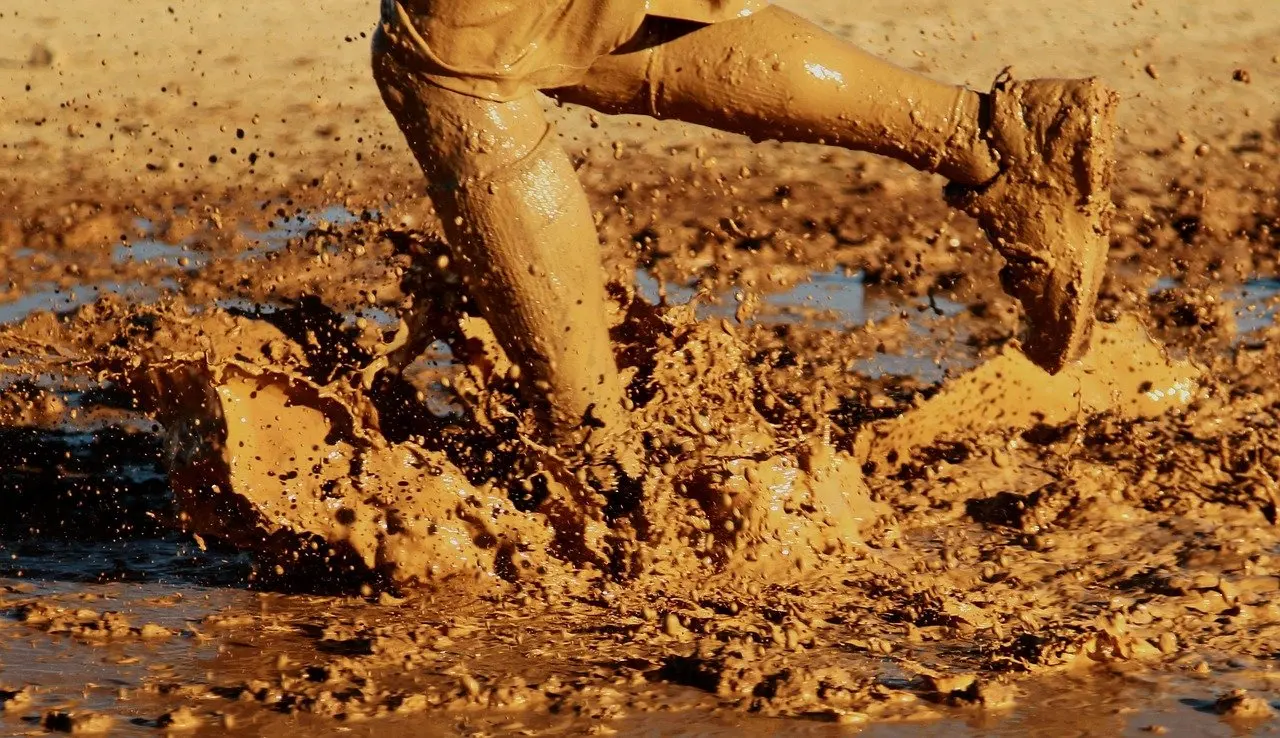
Lakeland Trails says all trail shoes give extra grip and comfort on the trails, yet it also notes that for a first event in dry summer ground you can try an event or two in road shoes. That makes the decision conditional rather than absolute.
- Choose trail shoes if the course is wet, muddy or steep, or if grip worries you.
- Keep road shoes only for a dry, gentle first event, and decide after reading the course description.
- Look for the right features. Runner’s World lists traction, breathability, midfoot and ankle support, and cushioning. One retailer’s example shoe lists 6.5 mm lugs, which is a reference point and not a standard.
Whatever the choice, run in the shoes beforehand. Never rely on a pair that has only been worn around the house.
Test the loaded vest
Run Motion’s advice is blunt: pack everything in your bag and go for a run. It adds that a backpack weighing 2 to 5 pounds feels significantly different from running unencumbered. Compressport recommends an ergonomic trail running pack with a capacity matched to the race, so a vest sized for a short event may not suit a longer one.
Use that training run to check bounce, rubbing and how easily you can reach flasks and snacks. Compressport also says never to use a brand-new accessory on race day, so every item that reaches the start line should already have been run in.
The night before: packing
The night before is for assembly, not for new experiments. Put each item from the tested kit in one place and fill the vest completely.
Vest, flasks and food
Run Motion’s checklist says to carry at least 1 liter of water and enough food. Treat that as a floor, not a target: the organiser’s course information and your expected time on the trail decide how much more you need. Altitude Sports stresses that proper hydration is crucial for trail running, which is why filled soft flasks belong in the vest before bed rather than being found empty at the start.
- Soft flasks: fill them and test they seal inside the vest, since the vest was loaded and run with in training.
- Food: pack what you have already eaten on training runs, in pockets you can reach without stopping.
- Reusable cup: Run Motion lists a personal cup for food during the race, so check whether your pack has a pocket for it.
Clothing, socks and blister prevention
Blisters and chafing are mostly decided by what touches your skin. Altitude Sports says a high-performance sports sock can help prevent chafing and blisters, and Compressport advises technical socks matched to the distance and the terrain. For the top, the same retailer says it should breathe well, feel light, and avoid cotton.
Lay out the shoes, socks and top you have already run in, and add nothing new. Where a required kit list exists, the trail race mandatory gear list explains how those items fit alongside your own choices.
Light for early starts
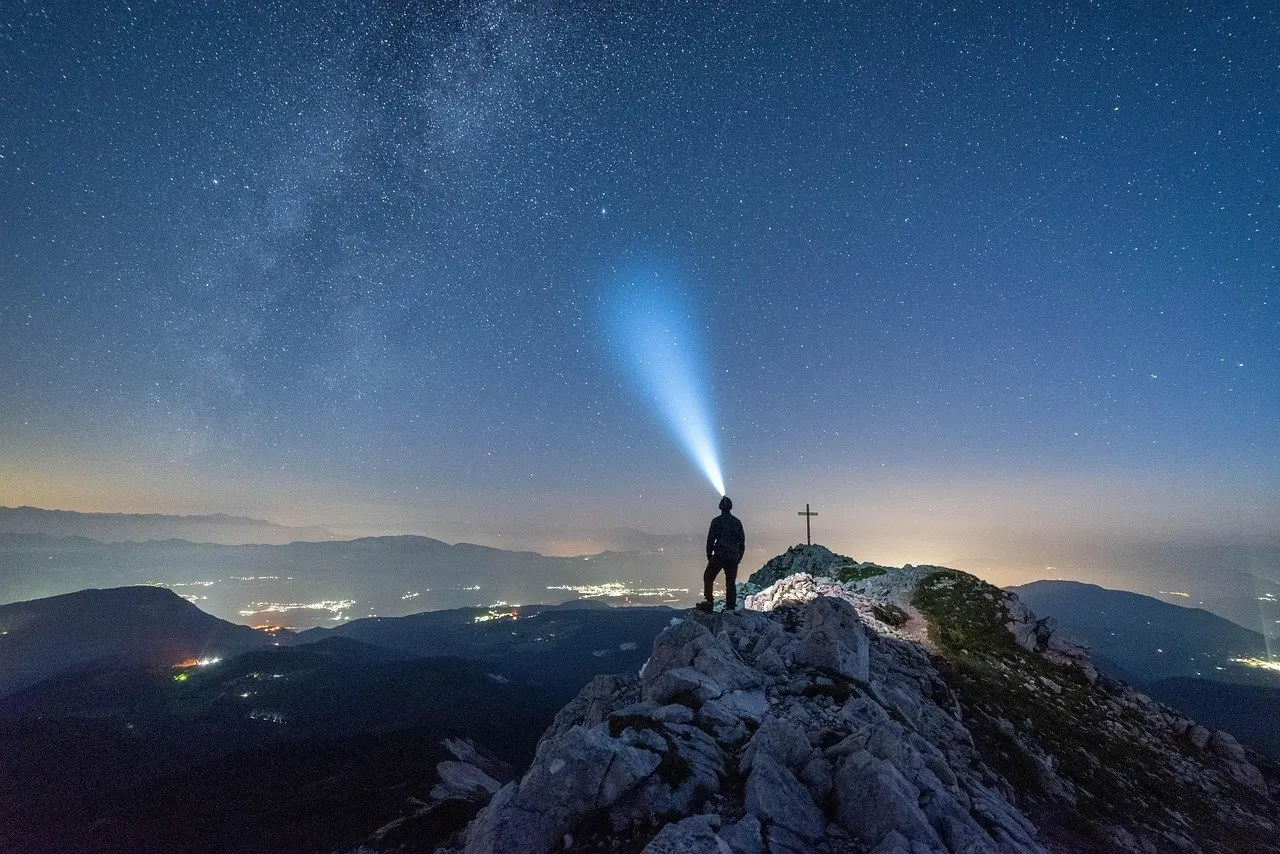
A headtorch matters only if the start or finish falls in darkness. Run Motion calls headlamps and spare batteries essential for ultra runs and night races. For a daylight race, check the start time before deciding; for an early or night start, pack both the torch and the batteries now.
Race morning
Race morning is a short verification stage. Everything should already be packed, so the job is to confirm conditions and kit.
Weather and course checks
Run Motion says race organisers typically inform runners about weather-related changes 48 hours before the event. Read the latest message from the organiser before you leave, and adjust only what that message requires. Changing your tested clothing on a whim is more likely to cause trouble than the weather itself.

Bib and final kit check
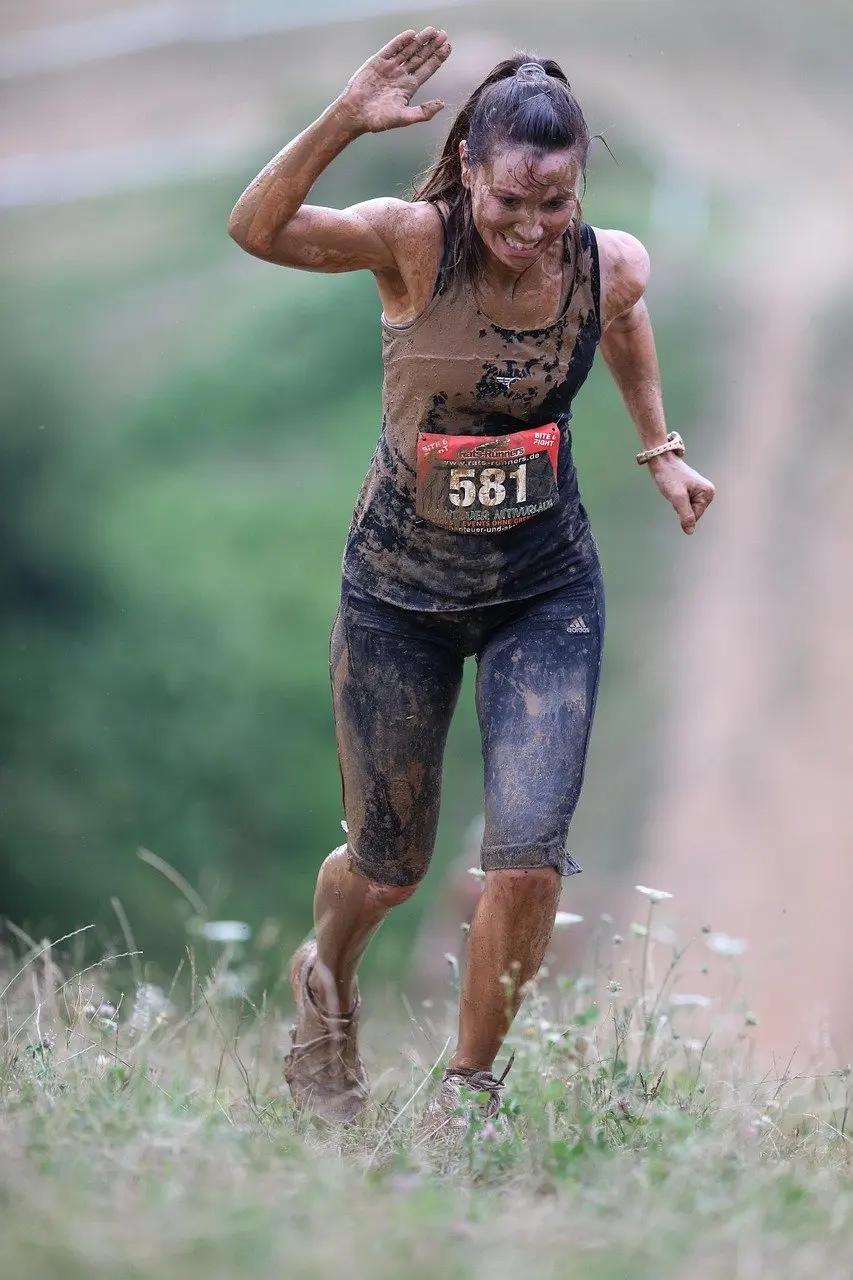
Attach the bib to the top you have already tested, and do it before you leave so you are not fumbling at the start. Then run through the vest once: flasks full, food in reach, headtorch if needed, phone and safety items in place.
Pace is part of the plan too. Runner’s World notes that you will see people walking at nearly any trail race, so there is no need to start faster than the terrain allows.
Carried but not worn
Some items never appear in a kit photo because they sit in pockets. These are the ones first-timers most often leave behind.
- Phone: Run Motion says it is carried primarily for emergency calls, whether in the mountains or the city.
- Safety items: Compressport lists a phone, whistle and survival blanket among the safety items for a trail race.
- Headtorch and spare batteries: packed for dark starts, as above.
- Cup and food: kept where you can reach them without taking the vest off.
Altitude Sports describes a runner fitting a phone, headphones, emergency blankets, a whistle and headlamps into a running belt, which shows the small items fit in compact storage. If the event provides a bag drop, the organiser’s runner information explains what it accepts, so read it before packing a separate bag.
Frequently asked questions
| Question | Answer |
|---|---|
| Is walking acceptable in a trail race? | Yes. Runner’s World says you will see people walking at nearly any trail race. |
| Will a first-timer get lost on the course? | Lakeland Trails describes its events as fully marked and marshalled, saying you certainly will not get lost. Other organisers differ, so check the course information for your event. |
| What is a sensible first distance? | Lakeland Trails says its shortest events are 5 km, which gives a first-timer a short entry point to test kit and pacing. |